
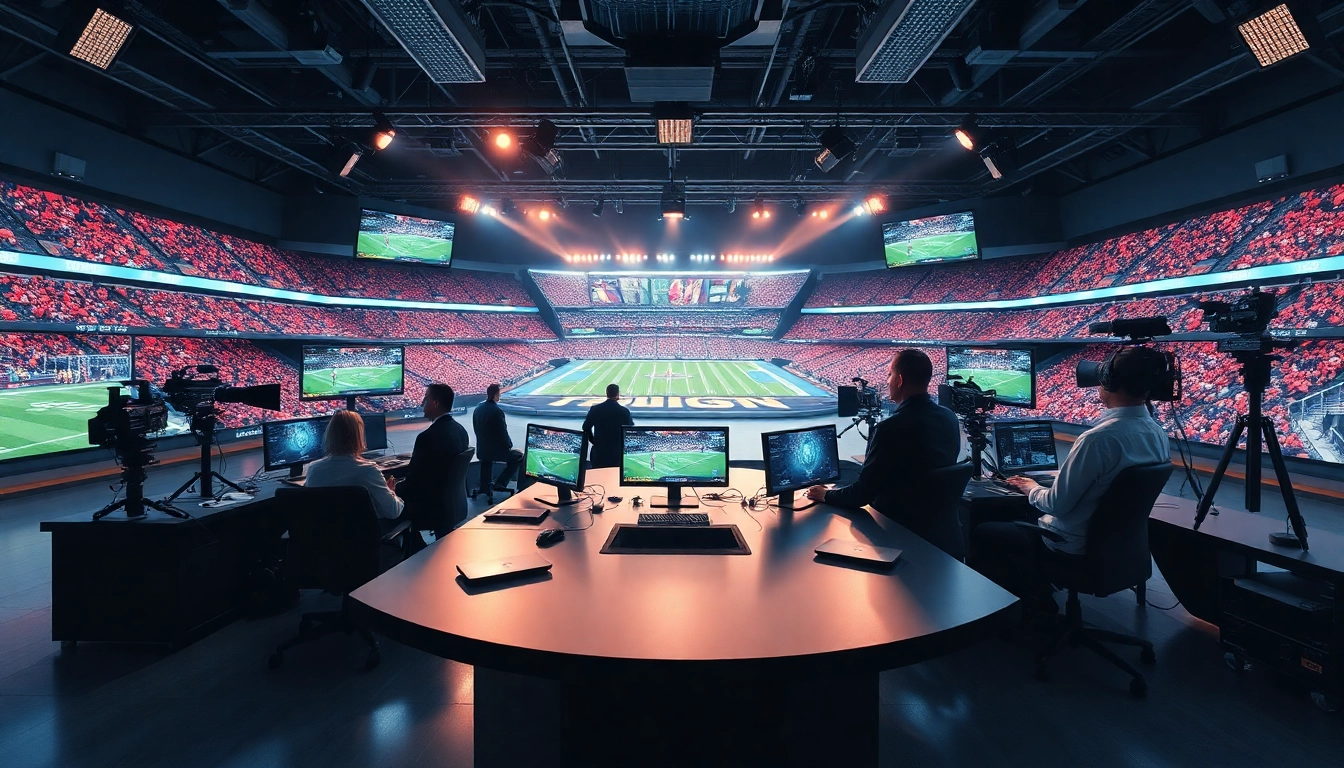
The Essentials of Sports Broadcasting
Understanding Sports Broadcasting
Sports broadcasting is the process of airing live or recorded sports events, designed to entertain and inform audiences. It encompasses a variety of mediums, including television, radio, and digital platforms, and is crucial for fostering fan engagement and increasing the visibility of sports. To grasp the full impact of Sports Broadcasting, it’s essential to recognize its significance in the sporting world, connecting fans with their favorite teams and athletes in real time.
The Role of Technology in Sports Broadcasting
Technology plays a pivotal role in shaping the landscape of sports broadcasting. Various innovations enhance viewer engagement and elevate the overall experience, making broadcasts more interactive and immersive. Key technologies that have transformed sports broadcasting include:
- Instant Replay: Allowing viewers to catch critical moments from multiple angles, enriching their viewing experience.
- Drones: Providing aerial views of sporting events, offering perspectives that traditional cameras cannot capture.
- Augmented and Virtual Reality: Creating immersive environments for fans, helping them feel closer to the action.
- High-Definition and 4K Broadcasting: Enhancing visual fidelity significantly, making live sports feel more realistic.
These advancements not only enrich the viewing experience but also help broadcasters attract new audiences and retain existing fans.
Types of Sports Broadcasting Formats
Sports broadcasting formats are diverse, catering to various viewer preferences. Here are some common formats used in the industry:
- Live Games: Real-time broadcasts offer the most authentic experience.
- Commentary Shows: Insightful discussions about games, players, and strategies attract dedicated viewers.
- Highlight Reels: Condensed versions of games showcase key moments, perfect for fans with limited time.
- Analysis Programs: Deep dives into game strategies and player performance help educate fans and enhance their understanding of the sport.
Each of these formats serves unique viewer interests, contributing to a comprehensive experience in sports media.
Building a Sports Broadcasting Strategy
Identifying Your Target Audience
Understanding your target audience is the cornerstone of a successful sports broadcasting strategy. Knowing who your viewers are allows you to tailor content to their preferences and habits. Key considerations include:
- Demographics: Age, gender, and income levels provide insight into viewing intentions.
- Behavioral Patterns: Analyze how and when your audience consumes content, whether during live events, highlights, or analysis shows.
- Interests and Engagement: Understanding fan affiliations and interests helps craft relevant content that resonates and keeps them tuned in.
A well-defined audience enables broadcasters to create engaging content offerings that are both informative and entertaining.
Creating Engaging Content for Viewers
Creating compelling content is essential to attracting and retaining fans in sports broadcasting. Here are some tips to explore when crafting content:
- Storytelling: Weave narratives around games and players, capturing the emotional rollercoaster of sports.
- Interactive Polls and Q&As: Engage your audience with opportunities for them to voice their opinions and ask questions.
- Behind-the-Scenes Access: Offering glimpses of team training, player experiences, and preparations can enhance fan loyalty.
- Comprehensive Pre- and Post-Game Coverage: Discussing game prospects and recapping performance highlights can increase viewer commitment.
These strategies help build a loyal audience base eager for immersive sports experiences.
Leveraging Social Media for Broadcast Promotion
Social media serves as a powerful tool in promoting sports broadcasts. Here’s how broadcasters can effectively use social platforms:
- Event Promotion: Share real-time updates leading to the game day to generate excitement among fans.
- Live Interaction: Utilize live-tweeting and Q&A sessions to engage fans while the event occurs.
- Visual Appeal: Share behind-the-scenes footage and highlights using images and videos to capture attention.
- Fan-generated Content: Encourage fans to share their experiences, improving community engagement.
Proficient use of social media amplifies the reach of broadcasts, fostering a deeper connection with fans.
Innovations in Sports Broadcasting
Emerging Technologies Shaping Sports Broadcasting
As technology evolves, so does the sports broadcasting landscape. Here are some emerging technologies paving the way:
- Artificial Intelligence: AI aids in analytics, automating numerous processes from data collection to viewer engagement assessment.
- Blockchain: Enhancing transparency and trust in sports media rights, improving monetization opportunities.
- 5G Technology: Reduces latency and delivers higher-quality streams, enhancing viewer experience.
These technologies not only improve the broadcasting quality but also redefine the viewer experience.
The Impact of Virtual Reality on Sports Experience
Virtual reality (VR) is revolutionizing how fans experience sports. Here are some ways VR impacts broadcasting:
- Immersive Viewing: VR allows fans to feel as if they are sitting courtside or on the field, transforming passive viewing into active participation.
- Virtual Stadium Tours: Fans can explore stadiums and venues from anywhere, building excitement prior to attending events.
- Enhanced Replay Analysis: VR facilitates an in-depth analysis of player movements and strategies from various perspectives.
By creating more engaging experiences, VR could redefine the sports industry and attract a broader audience.
Future Trends in Sports Broadcasting
The future of sports broadcasting is set to evolve significantly. Here are notable trends to anticipate:
- Increased Personalization: Expect more platforms offering tailored content based on viewer preferences.
- Augmented Reality: This could soon become commonplace in broadcasts to overlay statistics and additional content during games.
- Subscription-Based Services: More networks may shift toward streaming services, affecting traditional viewing habits.
Being ahead of these trends will enable broadcasters to remain relevant and competitive in this dynamic landscape.
Measuring Success in Sports Broadcasting
Key Metrics for Evaluating Broadcast Performance
Success in sports broadcasting hinges on various performance metrics. Important metrics to track include:
- Viewership Numbers: The number of viewers tuning in is a primary measure of success.
- Engagement Rates: Metrics such as social media shares and comments illustrate how well content resonates.
- Audience Demographics: Knowing viewer age, location, and preferences helps optimize future content.
- Advertising Revenue: Total earnings from advertising could signal content success and reach.
These metrics provide broadcasters with a well-rounded sense of their performance and areas for improvement.
Understanding Audience Analytics
Audience analytics allows broadcasters to gain insights into viewer behavior and preferences. Techniques for leveraging audience data include:
- Surveys and Polls: Gathering direct feedback from viewers to understand their expectations and satisfaction levels.
- Viewing Patterns: Analyzing when and how long viewers watch can reveal peak engagement times.
- Heat Maps: Using visuals to determine which segments of broadcasts hold viewer attention.
By utilizing audience feedback and analytics, broadcasters can craft more targeted and enjoyable viewing experiences.
Adapting Strategies Based on Viewer Feedback
Adapting broadcasting strategies based on viewer feedback is essential for continued success. Steps include:
- Monitoring Feedback: Resonating with audience responses allows for strategic adjustments in content.
- Incorporating Suggestions: Act on viewer suggestions to build loyalty and enhance the overall experience.
- Consistent Review: Periodically evaluate content and strategies to ensure they remain relevant to viewer interests.
By consistently refining their approach based on feedback, broadcasters can foster lasting relationships with their audiences.
FAQs about Sports Broadcasting
What is Sports Broadcasting?
Sports broadcasting is the live or recorded airing of sports events, used to inform and entertain audiences across various media platforms.
How does technology influence Sports Broadcasting?
Technology enhances viewer experience through innovations like instant replays, diverse camera angles, and interactive features, improving engagement.
What are the common formats in Sports Broadcasting?
Common formats include live games, commentary shows, highlight reels, and analysis programs, each serving unique viewer interests.
How can social media be leveraged in Sports Broadcasting?
Social media can boost viewer engagement by promoting live events, sharing behind-the-scenes content, and facilitating audience interaction.
What metrics are vital for measuring Sports Broadcasting success?
Critical metrics include viewership numbers, engagement rates, audience demographics, and feedback to refine broadcasting strategies.